
How Haleon Built a World-Class Treasury Function from Scratch During a Major Spin-Off
What happens when you’re tasked with building an entire treasury function from scratch – under the pressure of a corporate spin-off and the uncertainty of a global crisis?
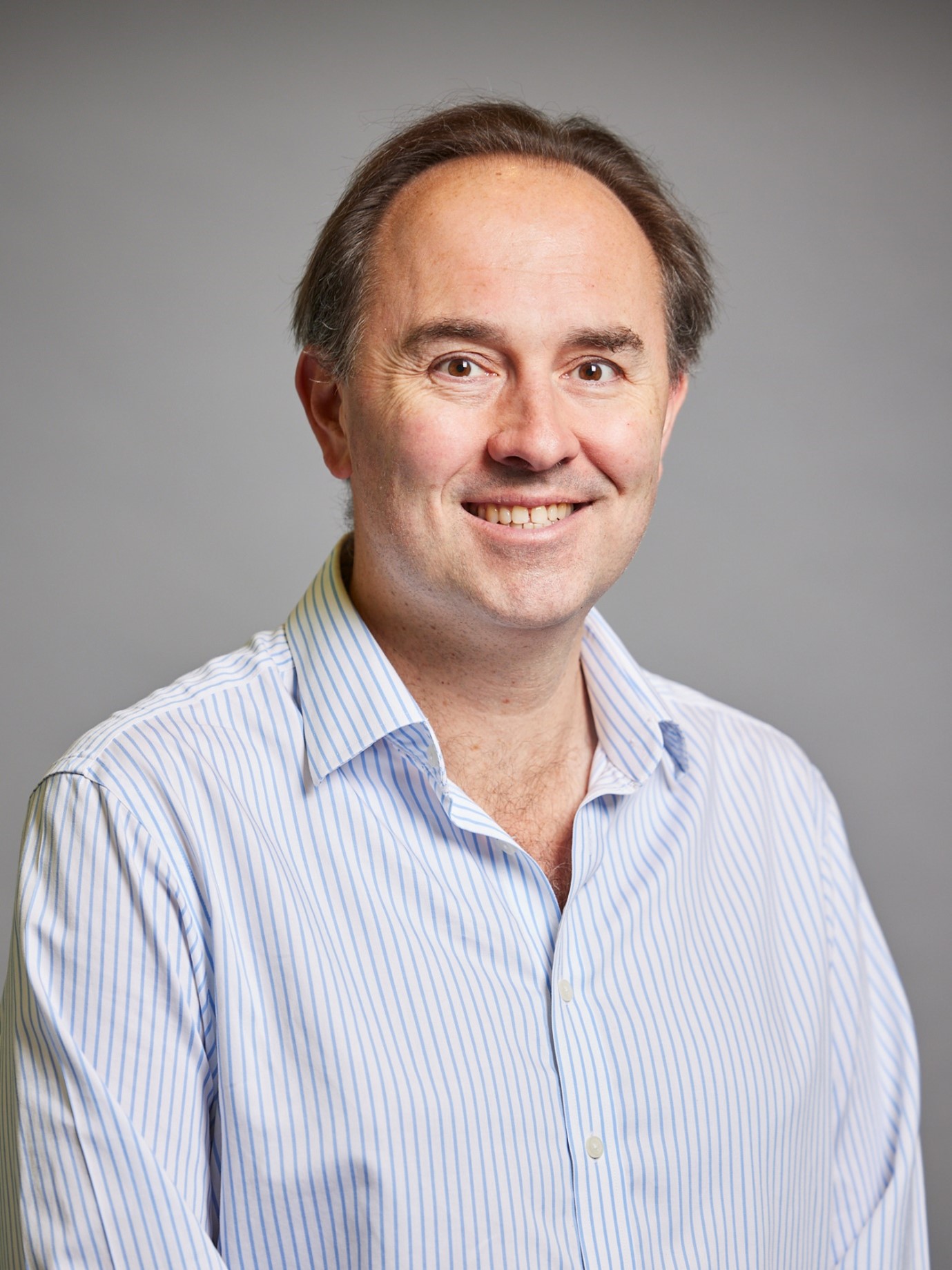
In this episode, Tom Gilliam, Vice President of Corporate Finance, Treasury at Haleon takes us inside the high-stakes challenge of launching Haleon’s treasury team and the strategic thinking that made it a success.
Listen on:



Featuring

About this episode
Tom Gilliam is Vice President of Corporate Finance, Treasury at Haleon, a global consumer health company with trusted brands used by consumers worldwide. Tom has built his career across audit, investment banking, and corporate treasury roles at large multinational organisations, giving him a unique perspective on risk management, capital markets, and leadership in complex environments.
In this conversation, Tom shares the behind-the-scenes reality of separating a major consumer health business from its parent company and creating a standalone treasury function from the ground up. He reflects on how his career experiences prepared him for the role, why strategic clarity mattered more than speed, and how recruitment, culture, and collaboration were critical to navigating change.
The episode offers a candid look at what it really takes to build a modern treasury team that can support long-term business objectives.
What We Cover in This Episode:
- How Tom’s early career in audit and banking shaped his approach to treasury.
- Why returning from banking to corporate treasury was a pivotal career move.
- The challenges of managing FX risk in emerging markets.
- How treasury can create real business value through risk management and capital structure decisions.
- What it takes to build a treasury function for a newly independent business.
- How to recruit and structure a treasury team during periods of significant change.
- Why adaptability and comfort with uncertainty are critical traits in treasury professionals.
- The importance of internal relationships and trust across finance and the wider business.
- How treasury’s role has evolved into a more strategic business partner.
- Practical lessons for treasury professionals at all stages of their careers.
You can connect with Tom Gilliam on LinkedIn.
—
🎙️ Subscribe to the Treasury Career Corner podcast – Never miss an episode! Subscribe on your favourite platform:
CLICK HERE for 🎧Spotify Podcasts
CLICK HERE for 🍏Apple Podcasts
📊 Managing short-term cash and investments – Without the right technology is a huge risk for modern treasurers. Tradeweb changes that!
🎓 Save $150 on CTP & FPAC– Exclusive discounts for treasury professionals – thanks to our trusted partners.
🧠 Leadership Under Pressure – Practical tools and coaching that work – from the team at Gazing Leadership
🧩 What if your whole team had one clear view of your group structure – Fuseable makes it happen
🔐 Managing signatory lists manually? Cygnetise gives treasury teams a smarter, safer way
👉 FIND OUT MORE HERE https://treasuryrecruitment.com/partners/
Mike, CEO, The Treasury Recruitment Company: [00:00:00] So welcome to this week’s Treasury Career Corner podcast, or interview treasury professionals about their treasury careers. Each and every week I talk to treasurers about how they built their careers, where they are now, where they see both themselves and the treasury profession.
Mike: Going to next in this week’s show, delighted to be joined by Tom Gilliam. VP Corporate Finance, treasury at Haleon. Haleon is the, is a leading consumer company that specialize in everyday health, working to put better everyday health in more hands who superior brands [00:00:30] including Sensodyne, Advil, Centrum, a wide range.
Mike: And we’ll get onto that later on in the show and Tom will explain, but it’s basically it’s brands, which crazy are trusted and used by more than 1 billion consumers and recommended by health professionals all over the world, which is just fantastic. So Tom, if you would that’s where you are now. We’re gonna go back to the beginning and how you first started.
Mike: And obviously we’ve known each other for many years, sir. , So looking forward to, going back to the beginning, how did it first start and how [00:01:00] did your career start? Over to you, sir.
Tom, Vice President of Corporate Finance, Treasury at Haleon: Yeah, tha thanks first off for having me on and so thank you. Yeah. Nice to catch up. It’s been a little while.
Tom: Sure. So if, I guess, where shall I start? If I go back, I’ll do a little whistle stop tour through my sort of early career. Lovely. And then probably focus on the last few companies I worked for being larger ones. If I go back a long time, , I studied maths in university.
Tom: Yeah. Which was something academically incredibly interesting, a little bit far removed from the real world, if you will. So I was very keen coming outta university to do something much more sort of [00:01:30] business focused. So after university initially trained as a chartered accountant the view being it was good broad business qualification allowed me to understand the business world.
Tom: Having done that, actually that was the first time I stumbled across treasury. I didn’t know what treasury was when I was at university. And so not before then. ‘Cause I think it at this point, this is early two thousands, it was a relatively small industry, certain compared to where it’s now.
Tom: Yeah. So after? Yeah, a after having trained as a charter accountant I’ve moved in and [00:02:00] worked for Rentokil initial for a few years as the treasury accountant. So halfway, I guess, between the accounting world and the treasury world
Mike: and who are Rentokil initial for, maybe our US listeners are going Rentokil who they might know them, but again, this is one of the things, ’cause it’s, it is quite different across the world sort of thing.
Tom: Yeah. So, so a Rentokil Initial
Mike: certainly at the time or a company that was focused on hygiene they had facilities management business a pest control business.
Speaker 2: Yeah.
Tom: So it is those sort of fields. But they’re
Mike: [00:02:30] also, but they’re a global as well.
Mike: That’s one of the differences, isn’t it? So it’s like, yes, you go there and there’s local companies that, but that’s Rentokil are a global company as well.
Tom: Exactly. And this is something actually that’s a really interesting and important point. It’s certainly for me, all of the treasury companies I’ve worked for, all the companies I’ve worked for in treasury have all been big global businesses.
Tom: And I’ve always worked in the UK head office of those big global businesses. And it’s a sort of interesting point and theme, I guess as you go through it, is that , the nature of being in a big global business is that you have [00:03:00] similar things to worry about. I mean, whatever , the business is doing the underlying commercial business, you still need to worry about foreign exchange movements, about how you actually move cash around the world and centralize it, how you manage the company’s debt portfolio.
Tom: All of these sort of things , are consistent no matter what the business is like.
Mike: And you come from , an audit background. Did that, was that helpful? Again, if someone’s listening today and they think, oh, actually I can make the transition into treasury, , what were the plus points or the points where you struggled sort of thing?
Tom: [00:03:30] I think it’s mainly plus points actually, because it’s , having done , the accountancy and some, and working in audit, that, that allows you to learn a lot about the sort of the, like reading a set of financial statements, for example. Yeah. Take that. That is a , really helpful skill because it helps you understand, , actually what does the business look like?
Tom: Where might there be risks? Things like just being able to interpret a companies net debt companies working capital profile leverage ratios. The, these sort of things are extremely relevant in [00:04:00] treasury. And then also there, there’s a big point around the sort of interdependency of the different teams that you work with.
Tom: I spend a lot of time working with our tax team, with our internal audit team, with our group finance team. , , all of the teams that , you would have at a sort of big organization, it’s really important that they work together. Yeah. And having a good understanding of what each of those teams do , and that, that level of detail it just makes that process
Mike: much, much easier.
Mike: And , you did that role in controllership and , then you moved to the dark side, then you joined banking. [00:04:30] What happened or how come you made that move? ’cause I know you went there and then came back. So talk us through how come
Tom: Yeah, ,, it’s a good point. And treasury is obviously very well linked into the banking sector.
Tom: Yeah. So there, there’s a lot of similarities, there’s a lot of crossover. But I think particularly for most companies, the treasury team will be
Tom: pretty small. , If you exclude the biggest multinational companies , , that I might be able to work for. Most of the treasury teams are relatively small.
Tom: So that what that means is there’s actually limited opportunity for progression within [00:05:00] treasury team. If you’re in a team of five people, let’s say, yeah, you clearly that’s gonna be quite limiting in terms of progression opportunities and having had a good amount of exposure to the banking world, I thought it would be an, in an interesting move really in terms of broadening my career, broadening my experiences.
Tom: And I knew quite a few people who worked in banking in different roles, different capacity.
Mike: So you joined RBS and, but it was not in their branch bank, but it was more in their global markets. Can you explain again why that was a good experience for you [00:05:30] thing? ’cause again, for our listeners, they might think, oh, there were different forms of banking globally, but you were actually went to the city of London and things like that.
Mike: Talk us through that just briefly.
Tom: Correct. Yeah. So this was within , the investment banking side of the business, the global banking and markets. The team I was working for at that time was, it was within finance, but it was actually more of a market risk team. , And , what that means is the team was really focused on looking at things like valuations, where there’s derivative valuations, bond [00:06:00] valuations so some actually quite technical stuff in there.
Speaker 2: Yeah.
Tom: , And interestingly it was the feel of, it was almost a little bit similar to going back to my university days of reading maths, of being, being really quite academically technically qu
Speaker 2: Yeah.
Tom: Quite quantity. Yeah. But it, but a little bit removed from the sort of the actual the business side of it.
Tom: So it, it was an academically very interesting time. Also, just a, an interesting time. Full stop. ’cause this was, I was there from 2006 to 2009, which [00:06:30] for anyone with a history book will tell you was right bang over the financial crisis period. Yeah. In one of the banks that was very heavily impacted by the financial crisis.
Tom: So re really interesting time to be there.
Mike: And how would, how did that build you as a treasury professional? As you say, it’s you have to be thick skinned in a situation like that.
Tom: I think it’s, yeah, a combination of thick skinned and being able to put things in perspective, being able to step back, put things in perspective not panic.
Tom: Yeah. I, it was quite helpful. Yeah. So, and yeah it’s not [00:07:00] very common that you wake up in the morning and see your office on the sort of BBC news in the morning. Yes. On the day that they at RBS were taken over or taken over by the government.
Mike: And so what happened next then? So you’d been there at RBS and you decided back to corporate treasury.
Mike: Obviously I know this ’cause I’ve known you all the way through, but what, what happened? How come the change? Yeah.
Tom: That, that, that was really it. I think as I alluded to earlier, it’s quite similar to how I was feeling having done my Summit University is ac [00:07:30] academically really interesting time, but I just wanted to get back closer to, to, to a commercial business, closer to a business and having spent a couple of years in treasury previously, but also maintained very good context with the A CT.
Speaker 2: Yeah.
Tom: So I sort, I’d still remained quite well plugged into treasury even through that time that I was working for RBS. And so, yeah at that time I was looking for opportunities to move back into treasury and then luckily a role came up in SAB Miller. Sure.
Mike: I was gonna say SAB at the time, people will know maybe.
Mike: But [00:08:00] again, one of the world’s largest brewers of beer, our favorite, a favorite of both you and I at the time.
Tom: Yeah. The, at the time it was the world’s second largest brewer. Yeah. With very significant businesses all over the world, but particularly a very strong emerging market skew.
Tom: So very big business in South Africa, across Sub-Saharan Africa and also in Latin America. So really interesting footprint as, as well as being a huge business. It was FTSE 10 business at the time. I can’t remember the, the financial metrics to it but just a [00:08:30] very significant global business.
Mike: When you got in there you were, you went in as, again, using your treasury accounting background, but obviously it was a, what’s the word? As you say, you were entering all these emerging markets, so quite a challenging time sort of thing.
Tom: Yeah. Well, it’s more the business have been pretty well established in these markets.
Tom: Yeah. In terms of knowing how to operate in these markets, which is really important. And this is from a commercial business perspective. Yeah. The business was very well set up for that side of it. I think where there was a big [00:09:00] opportunity and something I spent a huge amount of my time focused on whilst I was there, was how do we go about managing the risks associated and particularly FX risk being associated with being in these markets.
Tom: So I think that was really my main focus. And through my time at SAB Miller I fairly quickly progressed into a role that was effectively the head of treasury risk management there. I spent a lot of time analyzing how a big business could and should manage, particularly emerging market FX risk, [00:09:30] although re it’s relevant to any currency really.
Mike: And Okay. So how could you and should you. What was it? What was your ethos or, how what sort of was your guiding light or weather vein, if you like?
Tom: I think, how long have you got on this one? There, there’s a couple of key principles. I think the first one is, it’s. Every currency and every sort of country is different.
Tom: Yeah. So, so it definitely it’s really worthwhile spending some time understanding how different currencies behave and then understanding the [00:10:00] framework in each country. So, and what I mean by that is things like currency restrictions tax rules it’s all the o other bits that you need to think about rather than just how does the FX rate move on screen up and down.
Tom: Yeah. Yeah. I spent an awful lot of time, both myself and also with some of my banks running things like historical analysis, like actually looking at trends, looking at how do currencies behave. And in particular looking at the relationship between carries that have the interest cost on hedging versus [00:10:30] realized FX moves over time and map mapping that also spend a lot of time looking at FX options in, in that market.
Tom: And understanding how those behave. There’s FX options can be extremely useful hedging tools. And it’s something that I don’t think many corporates use because they’re also very complex. You need to have a fairly sort of detailed understanding of how FX options behave. You don’t need to go and understand how to derive the Black Shoals model of how you actually calculate valuations.
Tom: Yeah. [00:11:00] But you do need to understand some of the principles behind that. So it is quite technical and it’s not something I’d expect most most people to really be able to understand. Certainly not intuitively.
Mike: Yeah. And you actually, and as you say, you’re working hand in hand with your banks as some of those very technical guys who they live and breathe it as well, but you are then living and breathing it from the corporate side of things.
Mike: What was it like stepping into that how you, and then getting buy-in from the business, how did you get those guys to realize, because obviously it’s quite a complex thing and at the end of the [00:11:30] day they’re saying, well, we sell beer. You and I know they were very much interlink.
Mike: ’cause we talked about at the time you, how do you get them to on side?
Tom: So interestingly, the timing worked out quite well here because I was studying for my MCT at the time, which is the sort of top level qualification that the ACT used to run. Yeah. It’s unfortunately been discontinued in recent years, but hopefully it’s something we’ll see come back.
Tom: And as part of that, I did a very comprehensive research project. On FX hedging. [00:12:00] So I was able to do this sort of very detailed piece of work that allowed me to then illustrate why this was significant, why this was important for the business, but also where there may be opportunities to do something a little bit different.
Tom: Yeah. But it, but that took me several months of work to work through it. And that, and it is that complicated, it is something that you need to have sufficient, let’s say academic rigor to be able to present something like this, because it is a complex area.
Mike: And how did that then, what practical did it [00:12:30] bring? What practical, what did it bring to the business? Because I know that it did as well.
Tom: I’d say probably the main. One of the main outputs of this Yeah. Was illustrating the high cost of just hedging with FX forwards in emerging markets.
Tom: Yeah. And how over time, that’s a really, that’s generally a very expensive thing to do. It reduces volatility, it provides all the benefits of hedging, but it is very expensive. And so I did a lot of analysis of what could this look like if instead of hedging with forwards, you were hedging with options, you were hedging with [00:13:00] collars, with other tools.
Tom: And I illustrating actually what that looks like and not just the numbers, but also like putting graphs together to say this is what your actual cash flows would have looked like over this period of time. Yeah. Hedging it with different tools. And that was a really powerful way of illustrating it.
Tom: It’s actually quite an important point in general of what some of the things we do in treasury is we’re trying to take complex topics and explain those complex topics to, to people who are not specialists and it’s how best to do that. And there’s obviously lots of different tools you [00:13:30] can use but I find doing it in picture form, turning it into graphs tends to be the most effective way to actually illustrate it.
Mike: Yeah. And you translated that for the sort of senior management and then that actually made an impact on the bottom line, didn’t it?
Tom: Yeah, exactly. Yeah. There, there’s lots of things that we did over time that you can quantify. And I’ve got lots of illustrations that I’ve talked with you about previously where I can point to very significant cash savings that were made as a direct consequence of actions that I’ve taken in the business.
Mike: Okay. And then [00:14:00] SAB, well, there was lots of things happening, well talk us about the next move
Tom: yeah, of course. So, so SAB was taken over in 2016 by AB Inbev back end of 2016. And as you would expect off the back of that, they didn’t need a second head office in the UK. Yeah. So that their head office was closed down.
Tom: c all of the corporate functions were effectively disbanded and all of the treasury team moved on at that point. So at that time I joined GSK so early 2017. [00:14:30] And GSK for, at that time were who? So GSK big global pharma business. So in, in particular they had for three big divisions with the pharmaceuticals, vaccines, and consumer healthcare.
Tom: At that time, the consumer healthcare was run as a joint venture. And I’ll cover that a lot later. Yeah. So quite different industry to SAB Miller, but actually. Again, big FTSE10 international business. So the, a lot of the issues were very similar. Lots of foreign currency flows to [00:15:00] manage a large debt portfolio to manage and the same, yeah the same sort of principles really making sure you partner very effectively with the businesses around the world, understand those matters.
Tom: And yeah, it’s actually what we were doing was quite
Mike: similar in that sort of context and function, if you like, but what were the big differences from, obviously brewer to healthcare, quite a different, change of industry. What did you see that, struck you as being different?
Tom: I think. I think where best to start on this one. I mean, one, one of one of the biggest [00:15:30] things personally is that it was an industry that’s much harder to understand, much more sort of complex making beer is fundamentally pretty easy. You only really need four ingredients. I’ve made beer myself under a bit of guidance.
Tom: Yeah. So the process is quite well understood. So the focus I guess, from SAP Miller was much more on, how how do you build brands and how do you focus on the consumer much more directly? Yes. Whereas pharmaceutical business it’s obviously it’s focused much more on the not consumers per se, but it’s conditions that you’re focused on.
Tom: [00:16:00] Yeah. So a lot more technical. Very interesting. From a academic angle, like on, on getting a chance to understand some of the science behind it. But it’s a very different focus with the exception of the consumer healthcare division of GSK, which was much more similar because that was still based on brands and more similarities.
Mike: And so then when you were there, you, it was an interesting one. You when, in your early days at GSK, you won deal of the year, what was, so, and I’ve [00:16:30] talked to people about who have won prize and things. Why was that so special? Or what was, I know that was one of the, as you say, deal of the year, it’s a big deal.
Mike: What was it? And, why was that special?
Tom: Yeah I think one, one of the. Advantages. And actually one of the reasons I joined GSK was the company had a large debt portfolio and also was, there was a lot of m and a activity within the company. So from someone who works in treasury and particularly focused in the corporate, sub corporate finance side of treasury, that means the opportunity to work on a lot of big deals.
Tom: A lot of [00:17:00] sort of complex deals as well. And this is not just the raising finance, which is where the focus is for deal of year tends to be. But it’s, it is all of the work around that as well. So, if you’re going out raising significant amounts of long-term financing, there’s also a lot of thought around how do you manage the interest rate risk on that portfolio in, in what currency do you want to raise your bonds?
Tom: Do you want to overlay FX edges on the top of those to change the overall shape and structure of your net debt portfolio? And then there’s the practical [00:17:30] consideration. So like in, in which country do you want to be issuing bonds? So a company, big company like GSK there’s several different legal entities around the world from which you can issue bonds.
Tom: So there’s big consideration about where do you want to hold those bonds. The internal structuring of it. And it’s all of this work together That sort of feeds in, I think, to examples of things like the deal of the year awards. It’s not just issuing a bond, which is what the outside world sees.
Tom: It’s all of the other work that goes, all the [00:18:00] groundwork inside it.
Mike: And what and what did you do? ’cause it was quite special, wasn’t it?
Tom: Yeah, so this, I think from memory, I think that this all relates to the buyout of the Novartis joint venture. So when I joined GSK the, they ran the consumer business as a joint venture with Novartis.
Tom: And then they bought out Novartis’s stake in that joint venture from memory, I think it was $12 billion deal. Without going into too much detail of, I think for me, probably the most important step in the [00:18:30] process of this was a sort of point of mindset within the team is that we were trying to work out where after this deal, where would the company be?
Tom: So what would our earnings profile look like? What would the overall size of our debt look like? And then given that, how would we want that to be structured in what set of currencies? In what interest rate profile? And then it’s working back to say, well, how do we get there? Here’s where we are today, here’s what we believe.
Tom: We can issue bonds, because when you’re issuing bonds in that size, [00:19:00] you need to think about different markets. It’s, it probably, it probably would be possible these days to go out and issue all of that in the US dollar market, but that might not be the best thing to do based on relative bond pricing based on all sorts of different factors that the DCM bankers would be able to talk through with you.
Tom: Yeah. But it’s it’s working through that journey in a very methodical way, but with a clear endpoint in mind, which, and that endpoint really reflects the company’s policies, the company’s risk appetite, all of those different factors. But I [00:19:30] think it, I think that was quite a different mindset for GSK at the time.
Tom: Whereas I think previously there’d been a lot of focus and a lot of companies probably are in this position where the focus is just on what am I doing today? What bonds do I want to issue? Yep. On those bonds, how much do I want to top into floating rates, for example? But perhaps without looking at the bigger picture and looking at the overall portfolio.
Mike: And that’s part of the point, that’s one of the things I was leaning into there with you, that it’s very much, you’ve got that sort of level of [00:20:00] intellect and things like that. As you say, lots of people go out to the markets and say, we’re gonna do this bond, we’re gonna do this, and dah.
Mike: But you were actually having to work from reverse principles if you like, okay, if we did deal this, the end result is this. But actually, let’s start with the end in mind and start at the end. And actually, if we do this, hang on, this could affect the entire profile of the company. We’ve gotta be careful
Tom: Exactly.
Tom: ’cause you’re solving for different things. Yeah. There’s one. There’s one. One. One thing you’re solving for is I need to raise a lot of money. So in this case, I needed to [00:20:30] raise $12 billion. Yeah. To complete this deal. But then also you’re solving for, what is the risk profile that I want to the group?
Tom: And those are quite different things, but they’re clearly very interlinked. And I think it it’s something and I’ll come, maybe come onto to this in a little bit later anyway, but it’s certainly something I’ve tried to do with the Palon treasury team is really try and separate those two.
Tom: So we run quite a separate process for how we manage the risk profile of our debt. And that’s something we look at on a very regular basis. We make a lot of [00:21:00] changes to it. Outside of bond issuance we don’t just issue swaps at bond issuance and leave them there. We look at our swaps portfolio on a very re regular basis and make changes based on where we think they should be made.
Tom: But they’re quite separate exercises.
Mike: Yeah. And it’s active management of it. And you’ve touched on that. Ha. Can you then bring us up? ’cause I know that, people are itching to hear about it, so talk us through who it was, what happened next.
Tom: Yep, no problem at all. I’ll talk you through it as through the story effectively.
Tom: So back end of [00:21:30] 2018 GSK and Pfizer announced that they were forming a joint venture between their two consumer healthcare businesses. And that, that joint venture would subsequently be spun off, be separated out of GSK. So that that joint venture was formed in the summer of 2019 and it was spun out into what would become Haleon in the summer of 2022.
Tom: Why that is, why that was really interesting and really helpful is that we had visibility that this was going to happen about three and a half years [00:22:00] before it did happen. Because the spinoff of a company the size of Haleon is a very significant exercise. There’s a huge amount of complexity in there.
Tom: So having that amount of time to think through it and then execute it in a very, let’s say, methodical manner was extremely helpful and allowed us to achieve a successful separation of the business. ’cause if you think about it, you’ve got a business that had been run just as a division of GSK.
Tom: It relied on all of the head office functions within [00:22:30] GSK. So the underlying commercial businesses all set up, all run, run very well in many cases, have been run for many years. Certainly some of the brands have been around for a very long time. So, so there wasn’t a huge amount of disruption to that commercial side of the business but we had to put in place an entire, effectively entire head office function, entire corporate infrastructure.
Tom: So from a treasury perspective, what this meant was, I guess probably three things, mainly for us. One was that we needed to hire a team. [00:23:00] Yeah. So we needed to actually hire a team from scratch for a, give or take, FTSE20 business. So significant number of people in there. The other one was that we needed to raise a huge amount of debt initially.
Tom: So it was part of the deal of this the separation. The company was going to start its life with a net debt EBITDA ratio of around about four times which translated to around about 11 billion pounds worth of debt. And then this is raising debt for a company that at the time didn’t exist, or at least the head [00:23:30] office, the top code didn’t exist at the time.
Tom: So that, that was a pretty interesting exercise. And then the third leg was about really building the infrastructure, the policies, the processes to be able to operate as an independent business. So things like putting in place the right bank account structures that we need. It’s those that sort of, that, that side of it as well.
Mike: Those are all the practical things about the setting up the standalone and things. But one thing I think we’ve, we shouldn’t skip past, and you and I have talked about in our pre-call was [00:24:00] you were doing this all with the shadow and all the overarching with COVID as well, and it was remote working, hybrid working, setting up a new spinoff.
Mike: Talk us through that, if you would, and how that interfaced with it and how you managed that.
Tom: Yeah, and this, that was, it was obviously a sort of very interesting time at that point because this is we started the thinking and planning probably late 2019 for this then obviously ran into COVID in 2020 and negotiate all of that as well.
Tom: There’s so [00:24:30] much I could talk about around that. What was it?
Mike: I was gonna say more, more just, if someone’s in a similar situation you would suddenly actually you have to work independently, but you have to set this up or how did you make sure it worked well thing as a group and you got the right people in the right places when you perhaps have to do more over Zoom or, like this or things.
Tom: I think there’s probably a couple of things in there. It’s we had as, as everyone had all got very used to using the, to, to being at home to, yeah. Talking over Zoom or [00:25:00] teams or equivalent. So I think the sort of weight that ways of working point, because it was forced upon everybody was something that the people got used to relatively quickly.
Tom: I think that there’s a couple of things to draw out through the process is that it, is it was a really busy time for us, which in many ways was actually pretty helpful. So I personally, I had no time to dwell on the fact that the, all of this chaos was going on around the world.
Tom: ’cause I was just so busy workwise. So I was able to just focus on this very big, but very well [00:25:30] defined project. So that, that side was, would be quite helpful. When it came to actually like putting the team together, for example, so I was running the the recruitment side of this exercise where she’s hiring and putting in place the Haleon team.
Tom: The fact that all of that was done virtually actually made it, it probably made it easier in some ways because it meant the process was very consistent. So , everyone, all of the sort of interviewing and recruitment process that we ran was done on a very consistent basis. A very good clear framework for how it was [00:26:00] running all of the interviews there, which is I think is good practice anyway.
Tom: Yeah. But I think when you’re doing it in the, in the same room, I’m sat you sat at my desk you can make sure it’s done as consistently as possible, which allows for a much sort of fairer process Yeah. As you’re running through it. So I think, again, that probably helped versus if I was trying to do this sort of face-to-face that’s always gonna be a bit difficult.
Tom: ’cause for some people that the traveling might be difficult, for example. And I think if you’re trying to run a run, an interviewing process where you’re doing some [00:26:30] interviews, virtually some in person. It’s gonna be very hard to do that on a sort of a fair and transparent way.
Mike: And when you talked about this again, when we did our pre-call, you talked about having, some principles in mind when you were looking at people, what were they or how did you measure people?
Mike: Because again we don’t often though, we, someone actually asked me yesterday when I was briefing them about the podcast, said, oh, do you talk about recruitment all the time? It’s like, actually, we sometimes, we don’t at all, and it’s because it’s not just an advertorial for us, it’s quite the [00:27:00] opposite.
Mike: It’s more an advertorial for treasury, why people should work in it. But with, with yourself. And when you were doing the recruitment, pr what were your guiding, guiding principles, if you like?
Tom: I think. Yeah. And it is a really interesting and really good question because what I was recruiting for was not a tool, a sort of normal situation.
Tom: I was recruiting for a team to come into a company that at the time, the corporate functions did not exist.
Tom: .
Tom: So through all the process, for example, like the name Haleon was only announced, [00:27:30] I think it was February, 2022. So all the way through the process, I didn’t know what the company was called.
Tom: Yeah. I was just saying it at the moment. It is run spin off Co as a Yeah, exactly. We had make up a name for it effectively. Yeah. Because we also knew that we were gonna have several people moving from the GSK Treasury team into the Haleon Treasury team. We were also recruiting not just for an individual role or an individual company.
Tom: So through all of the interview process I was explaining to people that this is the role we’re nominally hiring [00:28:00] for. However, we also expect there’s be quite a lot of roles that are need back filling within the GSK team. So that in itself is also really unusual. Even when I’ve done recruiting previously, I’ve just recruited for a single role that’s still quite a sort of hard and long process here.
Tom: There was a huge amount of complexity to it. So I think what that meant is one of the main things we were looking for is people who were not just comfortable with change, but actively embrace [00:28:30] change because this is not, yeah this was not a usual journey that people were gonna be going through.
Tom: And also we knew that a, after separation of the businesses, there was inevitably going to be a lot of change. Because the way the separation had to be executed was maintaining sort of consistent systems processes from what had been run within GSK within sort of big pharma company, because doing it any other way would’ve been far too risky.
Tom: Effectively it’s a big, it’s a difficult enough thing to execute anyway. [00:29:00] So because Haleon is a consumer goods company it’s, what we need is quite different from what a pharma company needs. Yeah. So we knew that there was going to be quite a lot of change to how that business operated in the years after separation.
Tom: So hence we really needed this sort of culture within the team of people who would embrace that. And there’s lots and lots of things that you’d also be doing for the first time, which is always harder. If you’re in a very long established business, you can look back at what you did last year and copy it, and then that, and that’s probably going to be what happens.
Tom: There [00:29:30] might be, there’ll be tweaks that it’ll changes. Fundamentally, things don’t tend to change too much. Whereas we knew that we had both the opportunity to make all of these changes and al almost a necessity to do
Mike: so when you were interviewing people, how did you assess their openness to change?
Mike: Because obviously, I’ve sometimes said this to some of our interviewees that they say, oh we assessed for this, we assessed for this, and said, yeah, but how did you assess or measure it or, what was your ethos?
Tom: It’s difficult. I mean, we went, we have a lot of standard interview type questions that we’re using to really [00:30:00] get a feel for.
Tom: What have people done previously? What their passions were, where was their focus was brilliant. And it, a lot of it was really through that. It’s through getting a good understanding of what people had done previously and wh which which sort of stories or which the activities that they really draw out that illustrated that sort of desire for change and that ability to think very clearly of what do I want?
Tom: What does the business want? How do I best get there? And it’s probably a little bit similar to the example I was using earlier on the sort of the [00:30:30] debt portfolio. It’s really identifying what is best for the business and then working back to what that means today.
Mike: And one of the ways that, one of our previous guests we talked about and what they did is they would explore through some people’s resume and things like that in the US and they were particularly saying, right, is someone much more, they were looking at their sports track record and were they in sports that were very much team sports.
Mike: And although with the more individual contributors, and they said the funny bit was for their two teams, they [00:31:00] were re-recruiting. One was all about team and one was the total opposite. They said anyone that was team would be really bored in this team or would, was very in depth than it was more analytical.
Mike: And they said, actually we got two great teams, but the people that were together, they got ’em well, but their ways of working were very different. So it sounds like you’re very similar as well.
Mike: And with yourself, I know that, collaboration, innovation, we’ve talked about that a little bit.
Mike: As treasury evolves sort of thing, and your role continues to go. Where do you [00:31:30] think, treasurers should be, what should be they be doing to, continue to develop within the professional? Where do you think, see, we touched on technology obviously coming along all the time, but you know, we don’t, it’s not a tech show.
Mike: It’s more where do you see more things coming through for treasurers?
Tom: I can talk from my experience and where I see the team and the company at the moment. I think it’s probably a, just as much focus as possible on what we can do in treasury to support the overall business objectives.
Tom: I think it’s really understanding the business [00:32:00] extremely well and I think what I’ve seen particularly over the last few years is the sort of the breadth I guess of where treasury has got involved and where we’ve been, helpful and supporting the business. Has got much, much broader right over the course of my career.
Tom: And part of that’s just is naturally what happens as you progress and get, get more senior in your treasury career. But even at the sort of the more junior levels within my team I see this a lot more. Because I think Treasury has a lot of good skills or treasury [00:32:30] professionals tend to have a lot of very good and helpful skills for the business.
Tom: I think the ability to be able to see the whole organization to step back, think about how the organization behaves, look end to end. If, I can work out where we’re generating sales, for example, how that flows through the value chain within the business and what that ultimately means in terms of overall resulting profitability in a way that that not many other functions do.
Tom: ‘Because I think most areas are a little bit more narrow in terms of where they’re [00:33:00] focusing. And I think being able to bring that sort of holistic business mindset and that sort of strategic thinking that’s quite common amongst treasurers, that those are all extremely helpful viewpoints to bring in broader business conversations.
Tom: So I think it’s building those relationships, building that sort of credibility and trust with senior management to be able to help drive better business results.
Mike: And how do you encourage your team to, form those relationships? I know that one of my first videos, which we just announced, we’ve just done over a million [00:33:30] impressions just the past few days because, but all I do is I relate I’ve said it’s not me to you guys.
Mike: I just relate some of the little stories, the snippets every week. One of the key ones was a number of year, a few years ago, but actually then became one of the stories about the junior guy. And he wanted to make lots of relationships and his boss said, go and have coffee with everyone. And he wasn’t making it quick enough.
Mike: He had more coffee, but he then quickly became very well networked with the company. How do you do it with your team? What’s the, if people, [00:34:00] again are listening, how do you encourage them to get to know the business as a whole?
Tom: I think spending time with people is in, in my view, one of the best ways to do it.
Tom: Yeah, I’m not sure about having 10 coffees a day, but actually a doing one a week. It was
Mike: one a week
Tom: in there. Yeah. And that, that’s really helpful. ’cause it’s, ’cause it allows you not just to learn about the other departments, but just also get to know other people. Yeah. ’cause fundamentally we’re all working with people and you need it.
Tom: It’s really important to build that trust. I think that this is a really key point. If you’ve got [00:34:30] a trusting relationship and then, and you both know that you are you’re trying to do what is best for your business, that just, that makes, it, makes it so much easier for that sort of personal relationship to be really productive in a business context.
Tom: And you can’t that’s not something you can i’m trying to think how best to explain it. I’m going back up a touch and go onto an example. Going back to my SAB Miller days. Yeah, please do. Yeah. Fantastic. So, SAB Miller, one of the advantages of being working for a large brewer is that there was a bar in the office.
Tom: I’ve [00:35:00] been there. It was lovely. Exactly. It was very over on
Mike: tap.
Tom: Love it. And that, that bar was extremely effective at helping to build these relationships because it was completely normal. It was a key part of the company culture that after work, once or twice a week you’d go and have a beer and just chat to people, and particularly chat to a lot of people across different functions and different departments.
Tom: So relatively quickly, got to build really good relationships across lots of different departments within the business. That, that allowed the teams to work so [00:35:30] much better together.
Tom: You have those sort of personal trusting relationships now that’s obviously much easier when you’re a beer company and you can have a bar in the office.
Tom: It’s maybe a little bit harder for other companies, but I think that the concept, the principle remains exactly the same.
Tom: .
Tom: Is that everything just becomes so much easier and so much more effective if you, once you’ve got those relationships. But it takes a bit of time.
Mike: Yeah. Well maybe instead of beer, it’s coffee.
Mike: That’s fine. It’s similar. Whatever place you Yeah, exactly. The principle is spending time with people. Exactly. And you touched on [00:36:00] SAB, you touched then on GSK and Haleon . You’ve seen treasury across a variety of sectors, a variety of companies. What does, and you’ve obviously seen other companies as well, perhaps that, you’ve been in these leading blue chip corporates and what.
Mike: Really great treasury looks like versus where treasury, needs to develop and things. What are the things that make it stand out to you? Two or three points if you like that would, that stands out for you.
Tom: Yeah. I pick a few. [00:36:30] I think one of them is this sort holistic business, strategic mindset.
Tom: I appreciate there’s a lot of words in there. That’s right. But it’s this ability to step back, really understand what is it that drives success in the business and what can treasury do to support that. I think that is really helpful. And I think that’s quite a sort of unique unique selling point of treasury.
Tom: That naturally we think very long term. And so that I think allows us to have that sort of good strategic mindset and that can be coming through, whether it’s sorting the commercial side of the business, [00:37:00] things like looking at capital allocation the capital allocation policies of the business.
Tom: Treasury is in an excellent place to be able to help. Help develop that and that’s one of the really important important things that a business needs.
.
Tom: I am personally I’m really big on, on academic rigor, so it’s really making sure that we understand what it is we’re trying to do.
Tom: , We’ve done the right level of analysis. We’ve, spoken to the right people and properly worked through any, anything that we want to do. ’cause we deal with [00:37:30] quite complex topics and you really don’t want to be going into, running a hedging program if you don’t really understand how those are underlying products behave, for example.
Tom: And then I think it probably is that point on collaboration is that we’re in a sort of lucky position within treasury to be able to bring quite a lot of people together across the business and help help promote those sort of really interesting strategic discussions.
Mike: Yeah. So as we approach the end , we put your LinkedIn details in the show notes. But we try and give takeaways to people that, there, there’s been [00:38:00] lots already throughout the show, but if you are listening to this, and maybe you are early stages of your career, some of the thoughts for those guys and maybe for the more experienced, treasury professionals.
Mike: What are your takeaways that maybe you tell people at a conference or, just in general sort of thing?
Tom: I’ll use a couple we’ve already talked about. I think one of them is networking and personal relationships. Really. Some put some time into it. Networking is really helpful to spend time building those relationships both within your company and externally.
Tom: . And this is something that’s valuable for your [00:38:30] company today, but it’s also valuable for your own sort of long-term development of personal growth as well.
Mike: And I think also just, I just jump in there, sorry to interrupt, but just, you’re great at it. You and I have worked at it over our careers, but when I’ve done this and presented about this, and I do this at our Treasury Career Corner LIVE’s, I said, guys, but don’t underestimate the fact in the middle of that is ‘WORK’.
Mike: It is an effort. And a lot of people go, oh, it’s great. I went networking and they said, well, who did you meet? I had some great drinks. Yeah, [00:39:00] but who did you meet? It’s, it is actually work. It’s just, that’s where the work starts a lot of the time. Certainly for me. But you are very good at it as well.
Mike: I know that you’re very good with the networking and things but back to you .
Tom: But I do, I remember when I was younger. Yeah. I did think that it was like corporate jargon. Yeah. And I I was quite resistant to the concept of network even though I was still going out just chatting to people.
Tom: I didn’t think of it as networking and it developing that sort of slightly more. Conscious view that this, that you are building relationships. So that, that’s definitely important. And particularly when you’re younger. [00:39:30] Yeah. And in terms of other sort of big takeaways, I think it’s built that sort of long-term strategic view.
Tom: It’s have that ability to get, to take yourself out the day-to-day out the weeds and get a good understanding of what is it I’m trying to achieve. That, that’s, I think, sort of strategy in its simplest form is actually what is my objective here? What is I’m trying to do and is what I’m doing right now supporting that longer term objective?
Tom: And if not, then how do I change it?
Mike: Fabulous. With those, that’s the mic drop [00:40:00] moment. We’re gonna leave it there. You’ve been an absolute superstar. Thank you sir. And looking forward to networking with you over a beer or two, in 2026. So thank you very much. Looking forward to it.
Mike: Thanks,
Tom: Mike.
Mike: Thank you.
- Start with the End in Mind: Strong treasury strategy begins with understanding long-term business goals.
- Embrace Change: The most effective treasury teams are built by people who actively welcome transformation.
- Think Beyond the Numbers: Treasury’s value lies in strategic thinking, not just technical execution.
- Build Relationships Early: Trust and collaboration across the business make complex decisions easier.
- Develop a Holistic View: The best treasurers understand how the entire organisation fits together.
🎧 Earn CTP & FPAC Credits by Listening to the Podcast
Whether you’re at the gym, on your commute, or walking the dog – you can now make your podcast time count toward your professional development.
We’re thrilled to share that Treasury Career Corner podcast episodes now qualify for CTP and FPAC recertification credits through the AFP’s Independent Study category.
How It Works:
- Each episode comes with a short multiple-choice quiz
- Score 80% or higher and you’ll receive your credit confirmation
- You track and submit your credits to AFP directly – nice and simple
➡️ The longer the episode, the more credits you can earn:
- 30-minute episode = 0.6 credits
- 45-minute episode = 0.9 credits
- 60-minute episode = 1.2 credits
No filler. No fluff. Just real conversations with top treasury leaders on strategy, leadership, risk, tech, and team building - everything AFP expects at an intermediate to advanced level.
🧠 Quick Facts:
- 📝 Quizzes are 6 to 10 multiple choice questions
- 🎯 You need to get at least 80% to pass
- 📨 We’ll send confirmation - you log the credit with AFP
- 💼 You can include this as part of your recertification record
NOTE: In line with AFP compliance requirements, no more than two quizzes may be completed per day.
